
The Future of Automated Retail: Trends Shaping the Industry
The Rise of Automated Retail
The retail landscape is undergoing a significant transformation, driven by advancements in automation technology. Automated retail, characterized by the use of self-service kiosks, AI-driven checkout systems, and smart vending machines, is reshaping how consumers interact with stores. This shift is not just about convenience; it’s about creating a seamless shopping experience that meets the evolving expectations of tech-savvy consumers.
As technology continues to evolve, retailers are embracing automation to enhance efficiency and improve customer satisfaction. From reducing wait times at checkout to offering personalized shopping experiences, the benefits of automated retail are compelling. Let’s explore the key trends that are shaping the future of this dynamic industry.
AI-Powered Personalization
One of the most exciting trends in automated retail is the use of AI to deliver personalized shopping experiences. By analyzing consumer data, AI systems can recommend products based on individual preferences and shopping habits. This level of personalization not only enhances customer satisfaction but also increases sales by guiding consumers to products they are more likely to purchase.
Retailers are leveraging AI to create smart shopping assistants that can answer questions, offer suggestions, and even predict future purchasing needs. As AI technology becomes more sophisticated, the ability to tailor the shopping experience to each customer will become even more refined.
Contactless Shopping Solutions
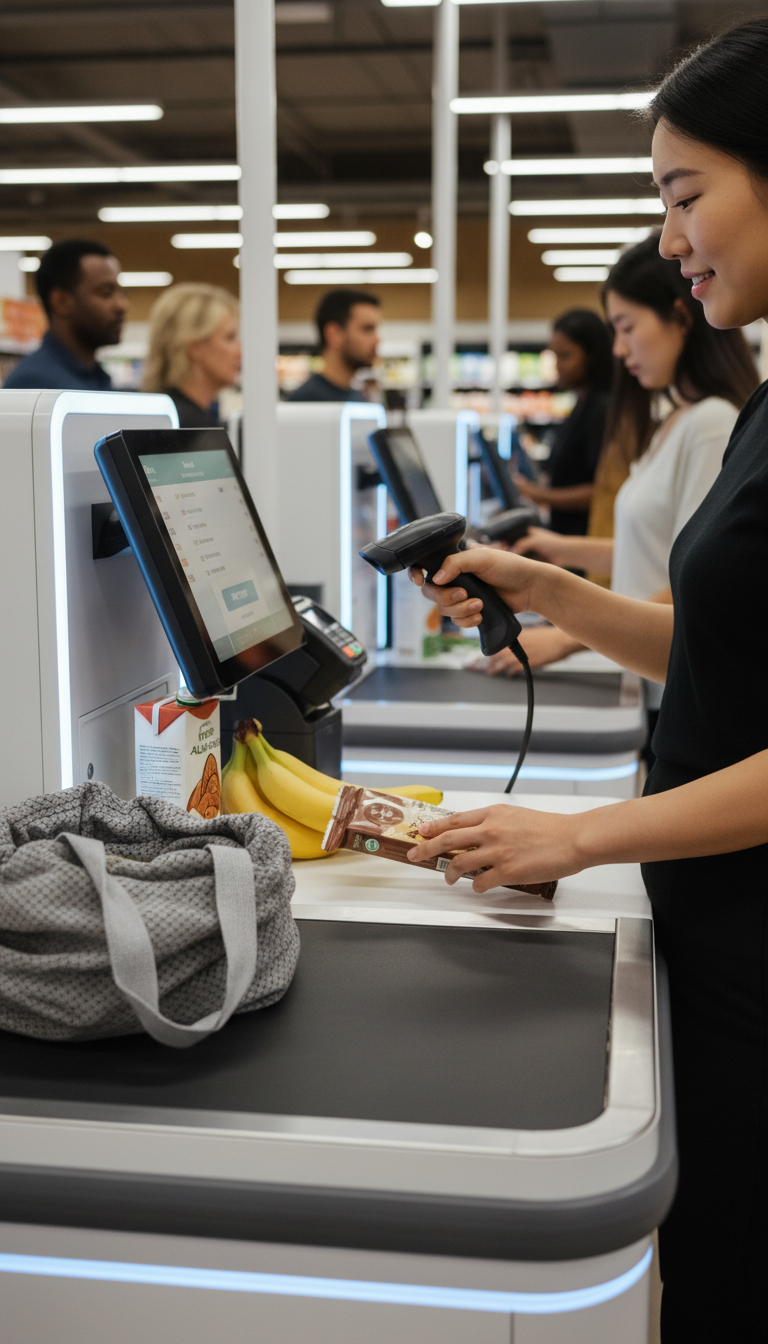
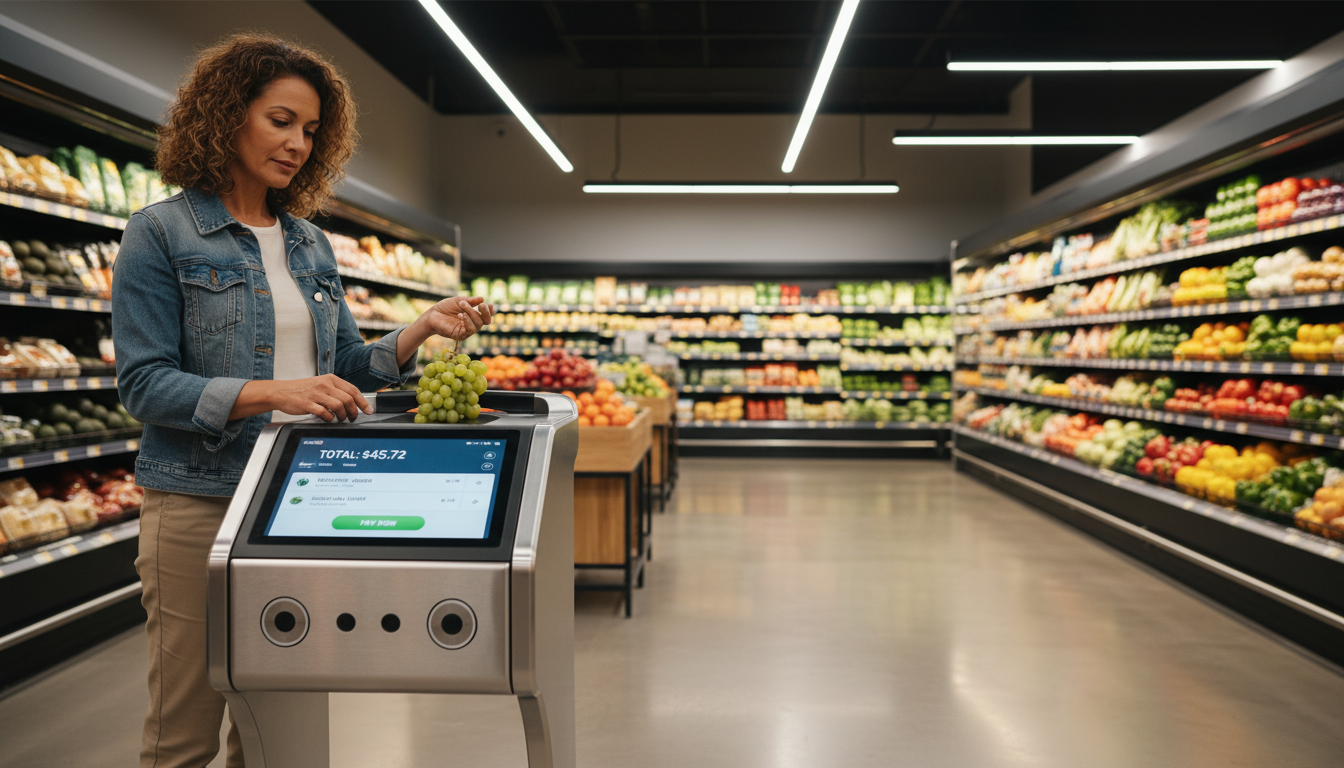
The demand for contactless shopping solutions has surged, especially in the wake of the global pandemic. Automated retail systems are at the forefront of this trend, offering touchless payment options and self-checkout systems that minimize physical interaction. These solutions not only enhance the safety of the shopping experience but also streamline operations, reducing the need for extensive staff intervention.
As consumers continue to prioritize safety and convenience, the adoption of contactless technologies is expected to grow. Retailers are investing in NFC (Near Field Communication) and mobile payment systems to cater to this demand, creating a more efficient and hygienic shopping environment.

Smart Vending Machines
Smart vending machines are revolutionizing automated retail by offering a wide range of products beyond traditional snacks and beverages. These machines use advanced technologies like IoT (Internet of Things) to track inventory, monitor machine health, and even provide real-time data analytics. This innovation allows retailers to manage stock more effectively and reduce operational costs.
Moreover, smart vending machines offer an opportunity for brands to reach consumers in new and innovative ways. From fresh food to electronics, the possibilities are endless, making these machines a versatile solution for urban and remote locations alike.
Robotics in Retail
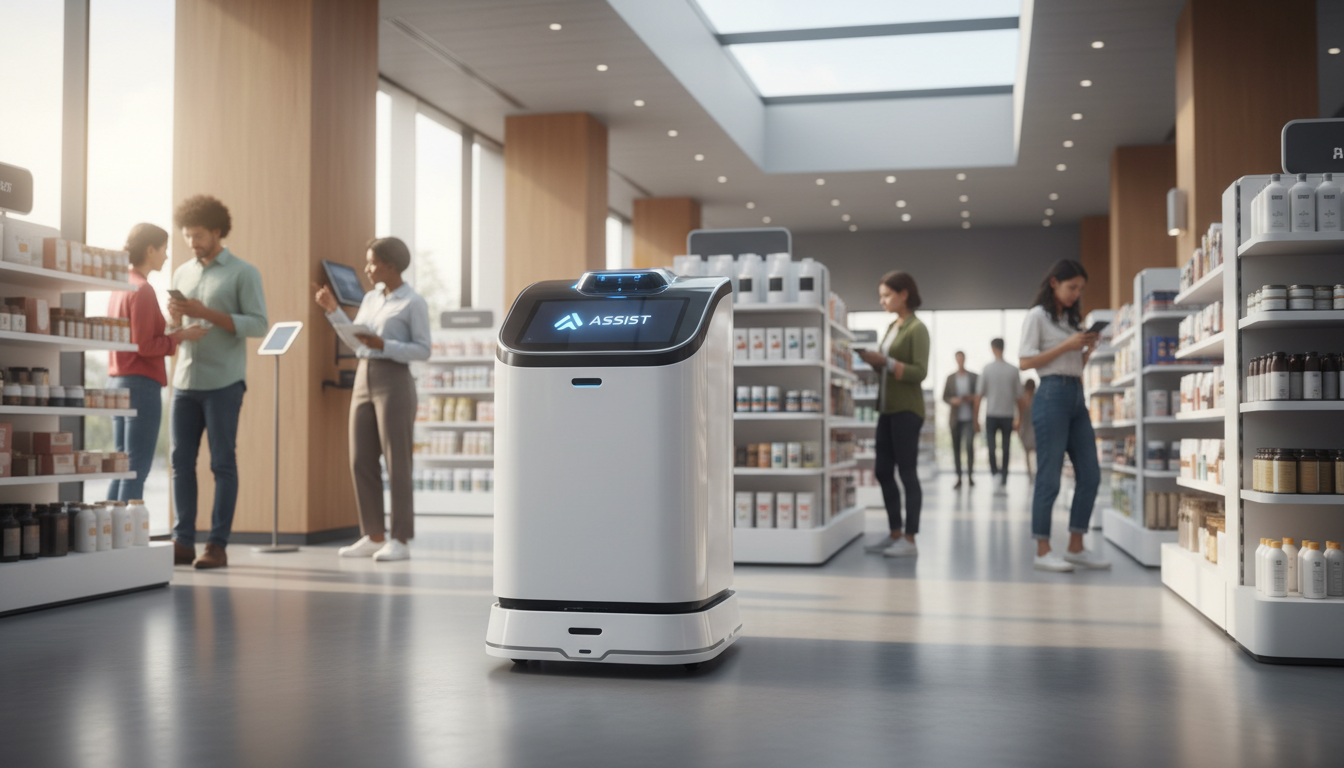
Robotics is playing an increasingly important role in the retail sector. Robots are being used for inventory management, shelf stocking, and even customer assistance. These robotic solutions help streamline operations, reduce labor costs, and improve accuracy in stock management. As technology advances, robots are expected to take on even more complex tasks, further enhancing the efficiency of retail operations.
In addition to operational efficiency, robots also enhance the customer experience. For example, robots can guide customers to product locations within a store, answer queries, and provide interactive experiences that engage shoppers in new and exciting ways.
The Future Outlook
The future of automated retail is bright, with continuous advancements in technology paving the way for more innovative solutions. As automation becomes more integrated into retail environments, businesses will need to stay ahead of the curve by adopting these technologies to remain competitive.
With the potential for enhanced customer experiences, cost savings, and operational efficiency, automated retail is poised to become a dominant force in the industry. Retailers who embrace these trends will not only meet the demands of modern consumers but also position themselves for long-term success.